When Is It Safe to Sunbathe After Tattoo Removal?
When Is It Safe to Sunbathe After Tattoo Removal?
The tattoo removal process is often preferred for aesthetic reasons. However, after the procedure, the skin becomes sensitive, and if proper aftercare is not applied, permanent damage may occur. Sun exposure is one of the most important factors to consider during this period.
After laser tattoo removal, the skin typically needs 4–8 weeks to fully heal. This period may vary depending on skin type, the size of the tattoo, and the technique used during the removal process. Once the healing phase is complete, the skin gradually regains its natural strength, and sun exposure carries less risk.
The ideal time to begin sunbathing after tattoo removal is generally 4–6 weeks post-procedure, when the skin has fully healed and sensitivity has significantly decreased. Even after this period, protective measures remain essential. A high-SPF sunscreen must always be used to protect the skin from harmful UV rays. Moisturizing the skin before and after sun exposure also supports the healing process and helps maintain skin health. Waiting for full recovery and applying proper protection is vital for preserving healthy skin.
Tattoo Removal Methods
Several methods are commonly used in tattoo removal, including laser removal, dermabrasion, chemical peeling, and surgical excision.
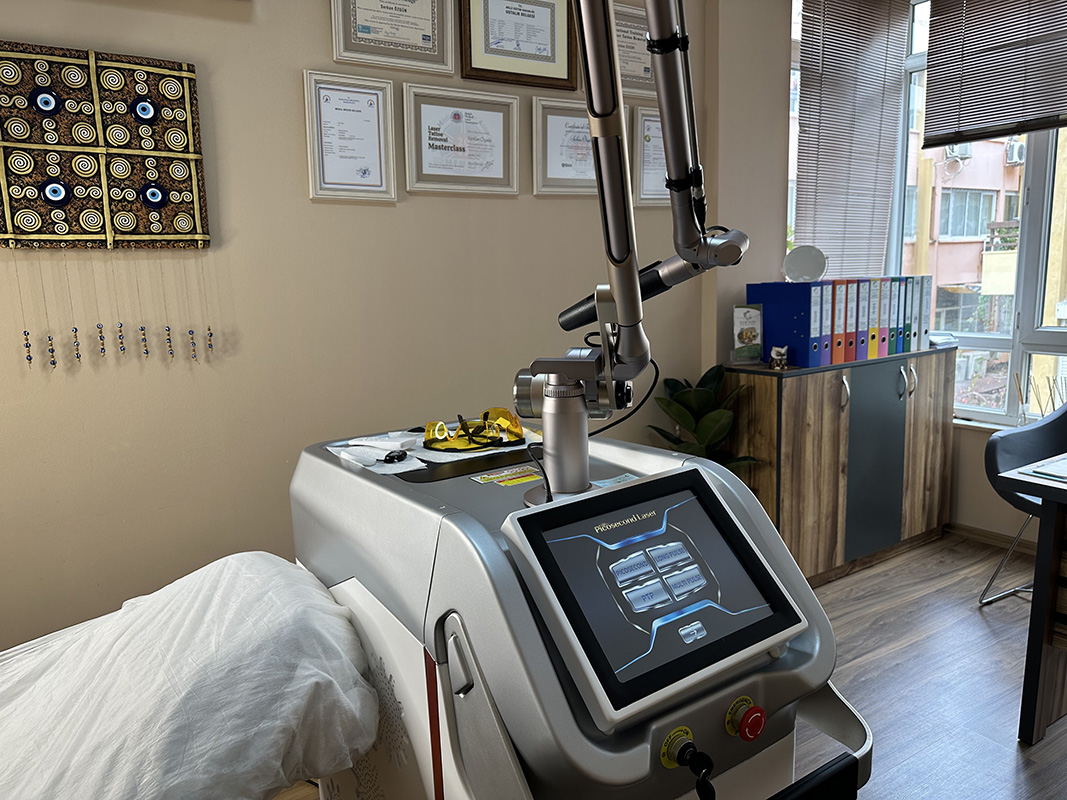
Laser tattoo removal is the most effective and least invasive option. The laser targets the pigment particles within the tattoo, breaking them down so the body can gradually eliminate them naturally.
Dermabrasion works by sanding down the upper layers of the skin to reduce the appearance of the tattoo.
Chemical peeling involves applying a chemical solution to the skin’s surface to encourage peeling and regeneration.
Surgical removal is typically preferred for larger tattoos and involves excision of the tattooed skin. However, this method requires a longer recovery time and carries a higher risk of side effects.
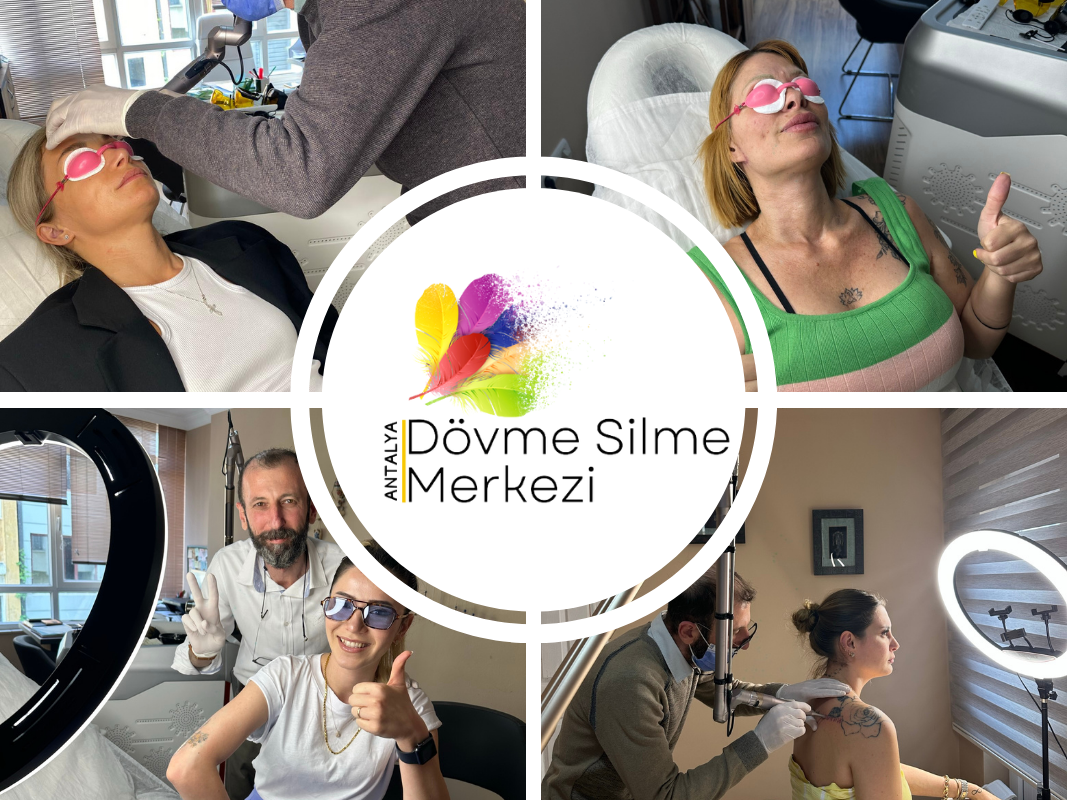
Laser tattoo removal usually consists of several stages. First, the skin type and tattoo characteristics are carefully evaluated. Then, the skin is prepared for treatment. During the second stage, the laser application is performed. Depending on the tattoo’s size, the session may last between 15 minutes and 1 hour. Mild discomfort may be experienced during the procedure.
Sun Exposure and Skin Health
Sunlight contains two main types of ultraviolet (UV) radiation: UVA and UVB rays.
UVA rays penetrate deeper layers of the skin and can damage collagen and elastin structures. UVB rays primarily affect the surface layer and may cause sunburn.
After laser tattoo removal, the skin becomes more sensitive to UV radiation, increasing the risk of hyperpigmentation, burns, and long-term skin damage. Therefore, protecting the treated area from sun exposure is crucial.
During the healing period, direct sunlight should be strictly avoided. If sun exposure is unavoidable, wearing a wide-brimmed hat and UV-protective clothing is recommended. Using a high-SPF sunscreen is mandatory, and it should be applied generously and reapplied regularly. The skin should remain moisturized to prevent dryness and support recovery.
When Can You Safely Sunbathe?
Complete healing after tattoo removal generally takes 4–8 weeks. It is essential to wait until redness, sensitivity, and irritation have fully subsided. The safest time to sunbathe is typically around 6 weeks after the procedure.
Even after this timeframe, caution is necessary. Sunscreen with a high SPF should be applied before sun exposure and reapplied every two hours. Avoiding the sun during peak intensity hours (usually between 11:00 AM and 4:00 PM) is highly recommended. If prolonged sun exposure is expected, sunglasses and protective clothing should be used. These precautions not only protect overall skin health but also help preserve the aesthetic results of the tattoo removal treatment.
Choosing the Right Sunscreen
Selecting the appropriate sunscreen is one of the most important steps in protecting your skin after tattoo removal. Choose a broad-spectrum sunscreen with at least SPF 30. Water-resistant formulas are especially beneficial if sweating or swimming is involved.
For sensitive skin, hypoallergenic and fragrance-free products are recommended. The sunscreen should be suitable for your specific skin type. It should be applied 15–30 minutes before sun exposure to ensure optimal protection.
Taking these precautions significantly reduces the risk of complications and helps maintain smooth, healthy skin following tattoo removal.