
Цены на удаление татуировок: от чего зависит стоимость?
Цены на удаление татуировок: от чего зависит стоимость?
Татуировка — это форма самовыражения, однако со временем люди могут захотеть удалить её.
Сегодня лазерное удаление татуировок является самым популярным методом.
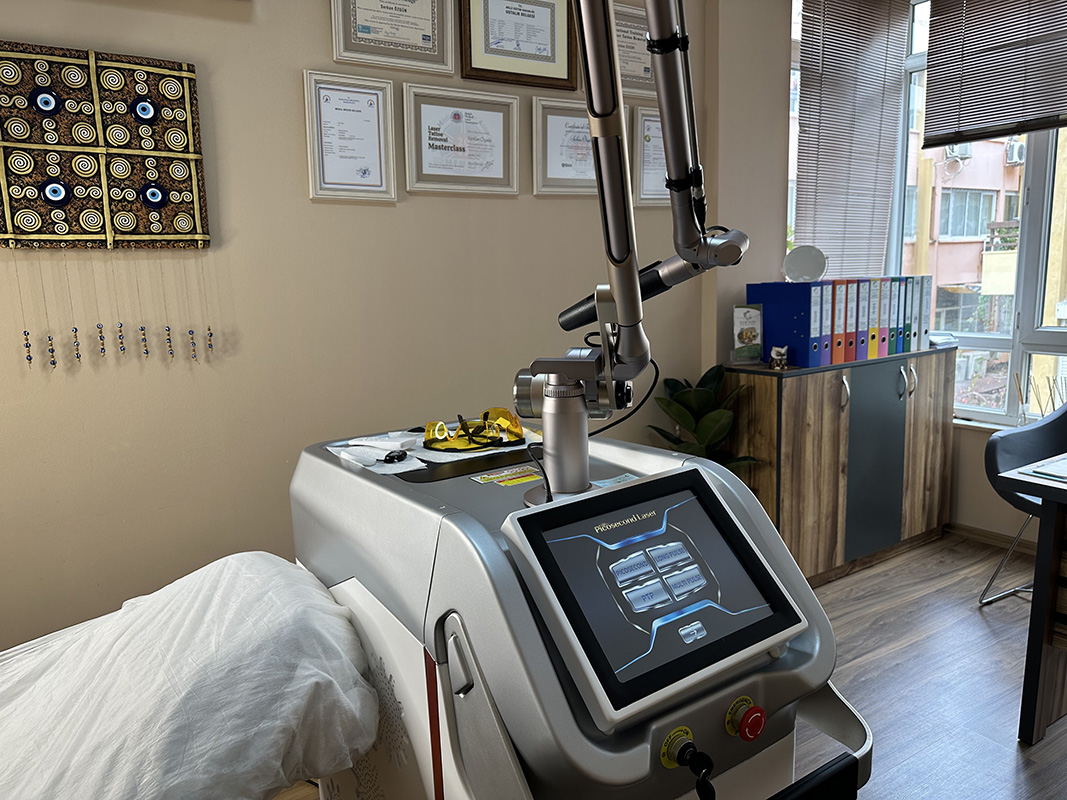
Если вы ищете удаление татуировок в Анталии, клиники, такие как Antalya Dövme Silme Merkezi, предлагают современные лазерные процедуры.
Подробнее:
???? https://antalyadovmesilmemerkezi.com
Факторы, влияющие на цену удаления татуировки
Размер татуировки
Чем больше татуировка, тем больше сеансов потребуется.
Цвет татуировки
Черные татуировки удаляются легче всего. Цветные татуировки требуют больше сеансов.
Возраст татуировки
Старые татуировки часто удаляются быстрее.
Тип кожи
Тип кожи влияет на эффективность лазерного удаления.
Количество сеансов
В зависимости от татуировки может потребоваться 6–10 сеансов.
Удаление татуировок в Анталии
Если вы ищете профессиональное удаление татуировок в Анталии,
Antalya Dövme Silme Merkezi предлагает современные лазерные технологии и безопасные процедуры.
Подробнее:
???? https://antalyadovmesilmemerkezi.com
Tattooentfernung Preise: Was beeinflusst die Kosten?
Tattooentfernung Preise: Was beeinflusst die Kosten?
Tätowierungen sind eine dauerhafte Form der Kunst und des persönlichen Ausdrucks. Doch mit der Zeit können sich Geschmäcker ändern oder Tattoos können ihre ursprüngliche Bedeutung verlieren.
In solchen Fällen entscheiden sich viele Menschen für eine Tattooentfernung mit Laser.
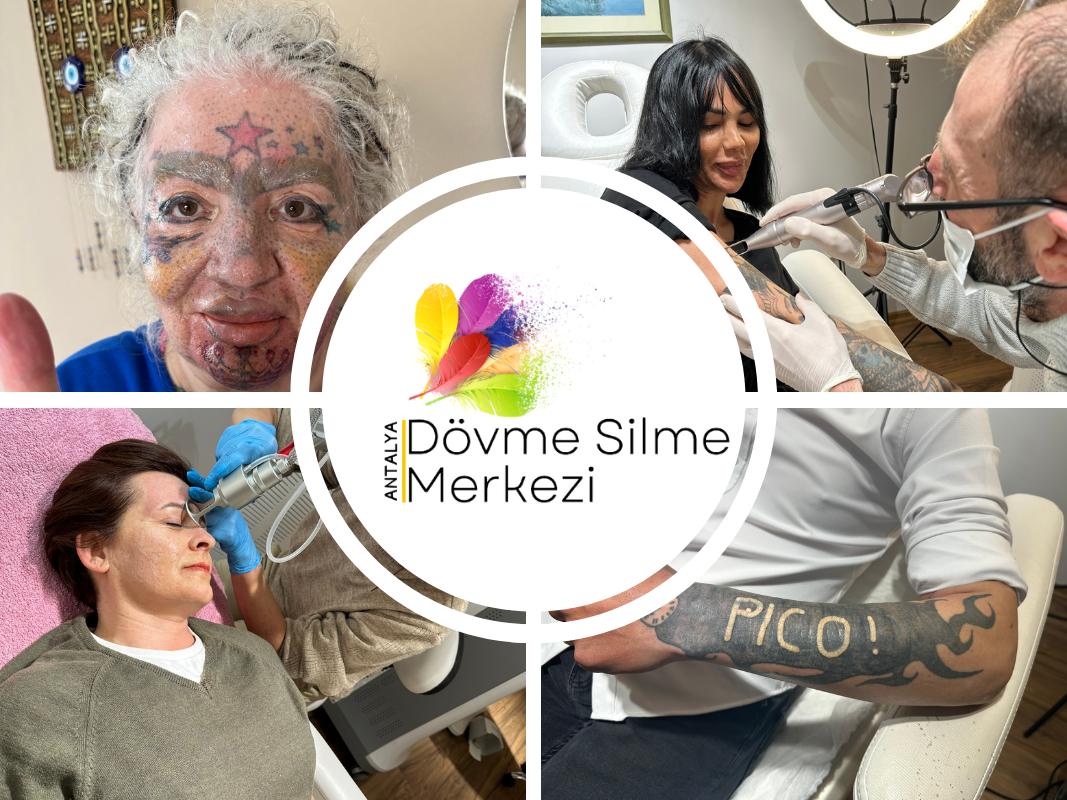
Wenn Sie eine Tattooentfernung in Antalya planen, bieten professionelle Kliniken wie Antalya Dövme Silme Merkezi moderne Laserbehandlungen an.
Mehr erfahren:
???? https://antalyadovmesilmemerkezi.com
Faktoren, die die Kosten der Tattooentfernung beeinflussen
Größe des Tattoos
Kleine Tattoos können meist schneller entfernt werden, während große Tattoos mehr Sitzungen benötigen.
Farbe des Tattoos
Schwarze Tattoos lassen sich am einfachsten entfernen, da schwarzes Pigment Laserenergie gut absorbiert.
Farben wie Grün, Blau oder Gelb sind schwieriger zu entfernen.
Alter des Tattoos
Ältere Tattoos sind oft leichter zu entfernen, da die Pigmente im Laufe der Zeit verblassen.
Hauttyp
Der Hauttyp beeinflusst die Wirksamkeit der Laserbehandlung. Helle Hauttypen reagieren meist besser auf Laserbehandlungen.
Anzahl der Sitzungen
Tattooentfernungen benötigen häufig mehrere Sitzungen. Große oder farbige Tattoos können 6–10 Sitzungen erfordern.
Professionelle Tattooentfernung in Antalya
Wenn Sie nach sicherer Tattooentfernung in Antalya suchen, bietet Antalya Dövme Silme Merkezi moderne Laserbehandlungen mit professionellen Spezialisten.
Mehr Informationen:
???? https://antalyadovmesilmemerkezi.com
Tattoo Removal Prices: What Affects the Cost and How Much Will I Pay?
Tattoo Removal Prices: What Affects the Cost and How Much Will I Pay?
Tattoos are often created to represent meaningful memories, personal beliefs, or artistic expression. However, over time people’s preferences may change, the meaning of a tattoo may fade, or the tattoo itself may lose quality due to skin changes. In such cases, tattoo removal becomes a popular solution.
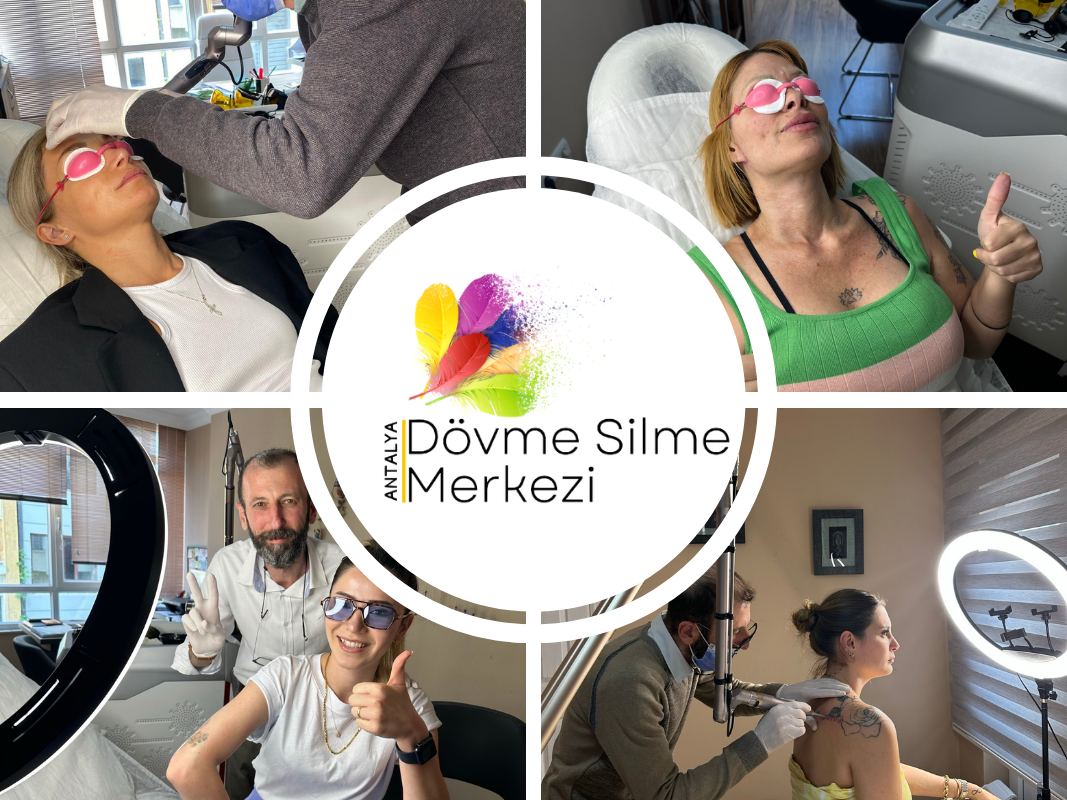
Today, laser tattoo removal is the most widely used and effective method. However, the cost of tattoo removal can vary depending on several important factors. If you are considering tattoo removal in Antalya, professional clinics such as Antalya Dövme Silme Merkezi offer modern laser technologies and personalized treatment plans.
Learn more:
???? https://antalyadovmesilmemerkezi.com
Main Factors That Affect Tattoo Removal Prices
Tattoo removal prices depend on multiple variables related to the tattoo itself and the technology used during the treatment.
Tattoo Size
The size of the tattoo is one of the most important factors affecting the price. Small tattoos usually require fewer sessions and less laser energy, while larger tattoos require longer treatment times.
For example:
-
Small tattoos may fade within a few sessions
-
Large back or sleeve tattoos may require many sessions
Since larger tattoos require more time and laser exposure, the cost naturally increases.
Tattoo Color
Tattoo color significantly affects the removal process.
Black tattoos are generally the easiest to remove because black pigment absorbs laser energy effectively. As a result, black tattoos often require fewer sessions.
Colored tattoos can be more challenging. Colors such as:
-
green
-
blue
-
yellow
are harder to remove because they absorb laser light less effectively. Different colors require different laser wavelengths, which can increase treatment time and cost.
Age of the Tattoo
The age of the tattoo also plays a role in the removal process.
Older tattoos may have partially faded over time, making it easier for the laser to break down the remaining pigments.
New tattoos usually contain denser pigments placed deeper in the skin, which may require more treatment sessions and therefore increase the cost.
Skin Type and Tattoo Depth
Skin type is another important factor in laser tattoo removal.
Laser treatments tend to work more efficiently on lighter skin tones because the contrast between the tattoo pigment and skin pigment is higher.
In darker skin tones, laser settings must be adjusted carefully to avoid affecting natural skin pigment. This requires more precision and expertise.
The depth of the tattoo ink in the skin also affects how easily the pigment can be removed.
Clinic and Specialist Experience
Tattoo removal costs can also vary depending on the clinic you choose.
Clinics with advanced laser technologies often provide faster and more effective results. However, these technologies can increase treatment costs.
Choosing experienced professionals is also essential for safe and successful treatment. Clinics such as Antalya Dövme Silme Merkezi specialize in modern laser tattoo removal in Antalya using advanced devices.
More information:
???? https://antalyadovmesilmemerkezi.com/tattoo-removal
Number of Sessions
Tattoo removal typically requires multiple sessions.
Depending on the tattoo characteristics, treatments may require:
-
3–5 sessions for small tattoos
-
6–10 sessions for larger or colored tattoos
As the number of sessions increases, the total treatment cost also increases.
Sessions are usually spaced 6–8 weeks apart to allow the skin to heal properly.
Why Choosing the Right Clinic Matters
Tattoo removal prices are not determined only by tattoo characteristics but also by the quality of the clinic.
Factors include:
-
laser technology used
-
practitioner expertise
-
clinic location
-
safety standards
Professional clinics such as Antalya Dövme Silme Merkezi offer advanced technology and safe procedures for effective tattoo removal.
Conclusion
Tattoo removal prices vary depending on several factors such as tattoo size, color, age, skin type, and the clinic performing the treatment.
For accurate pricing and the best results, it is recommended to consult a professional laser specialist and create a personalized treatment plan.
If you are looking for safe and professional tattoo removal in Antalya, you can visit:
???? https://antalyadovmesilmemerkezi.com

Опасно ли удаление татуировки? Что нужно знать
Опасно ли удаление татуировки? Что нужно знать
Татуировки давно стали популярным способом самовыражения. Однако со временем вкусы и предпочтения могут измениться, и многие люди решают удалить свои татуировки.
Возникает важный вопрос: опасно ли удаление татуировки?
Благодаря современным лазерным технологиям процедура стала намного безопаснее и эффективнее. Тем не менее, как и любая косметическая процедура, она имеет некоторые риски.
Если вы ищете удаление татуировок в Анталии, профессиональные клиники, такие как
Antalya Dövme Silme Merkezi, предлагают современные лазерные процедуры.
Подробнее:
???? https://antalyadovmesilmemerkezi.com
Методы удаления татуировок
Наиболее эффективным методом считается лазерное удаление татуировки. Лазер разрушает пигменты краски, после чего организм постепенно выводит их естественным образом.
Возможные побочные эффекты
Ожоги и рубцы
При неправильной настройке лазера возможны ожоги кожи.
Покраснение и отек
После процедуры возможны временные покраснения и легкая припухлость.
Изменение пигментации
Иногда наблюдается:
-
гиперпигментация
-
гипопигментация
Уход после процедуры
Для успешного результата важно соблюдать рекомендации:
-
избегать солнца
-
использовать солнцезащитный крем
-
увлажнять кожу
-
не срывать корочки
-
избегать интенсивных физических нагрузок
Удаление татуировок в Анталии
Если вы ищете профессиональное удаление татуировок в Анталии,
Antalya Dövme Silme Merkezi предлагает современные лазерные технологии и безопасные процедуры.
Подробнее:
???? https://antalyadovmesilmemerkezi.com
Ist Tattooentfernung gefährlich? Das sollten Sie wissen
Ist Tattooentfernung gefährlich? Das sollten Sie wissen
Tätowierungen sind eine beliebte Möglichkeit, sich selbst auszudrücken. Doch mit der Zeit können sich persönliche Vorlieben ändern und viele Menschen entscheiden sich dafür, ihre Tattoos entfernen zu lassen.
Eine der häufigsten Fragen lautet: Ist die Tattooentfernung riskant?
Dank moderner Lasertechnologie ist die Tattooentfernung heute deutlich sicherer und effektiver als früher. Dennoch gibt es – wie bei jeder ästhetischen Behandlung – einige Risiken und wichtige Punkte, die beachtet werden sollten.
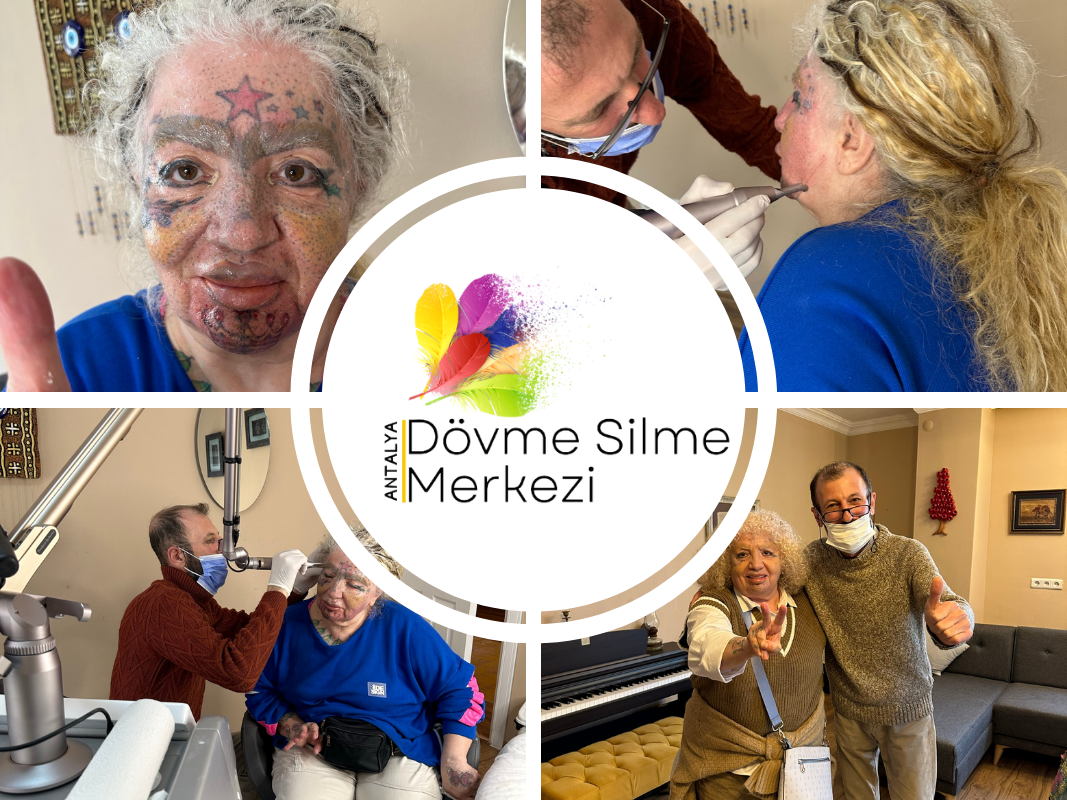
Wenn Sie eine Tattooentfernung in Antalya in Betracht ziehen, können Sie sich an professionelle Kliniken wie
Antalya Dövme Silme Merkezi wenden.
Mehr Informationen:
???? https://antalyadovmesilmemerkezi.com
Methoden der Tattooentfernung
Die effektivste Methode ist die Laser-Tattooentfernung. Der Laser zielt auf die Farbpigmente der Tätowierung und zerlegt sie in kleine Partikel, die vom Körper abgebaut werden.
Mögliche Nebenwirkungen
Hautverbrennungen oder Narben
Bei falscher Anwendung kann es zu Verbrennungen oder Narben kommen.
Rötungen und Schwellungen
Nach der Behandlung können vorübergehend Rötungen oder Schwellungen auftreten.
Pigmentveränderungen
Manchmal kann es zu:
-
Hyperpigmentierung
-
Hypopigmentierung
kommen.
Nachsorge nach der Tattooentfernung
Eine gute Nachsorge ist entscheidend für optimale Ergebnisse.
Wichtige Hinweise:
-
Sonne vermeiden
-
Sonnenschutz verwenden
-
Haut gut mit Feuchtigkeit versorgen
-
Krusten nicht entfernen
-
Intensive sportliche Aktivitäten vermeiden
Professionelle Tattooentfernung in Antalya
Für sichere Ergebnisse ist die Wahl einer professionellen Klinik entscheidend.
Antalya Dövme Silme Merkezi bietet moderne Laserbehandlungen für sichere Tattooentfernung in Antalya.
Mehr erfahren:
???? https://antalyadovmesilmemerkezi.com

Is Tattoo Removal Risky? What You Need to Know
Is Tattoo Removal Risky? What You Need to Know
Tattoos have long been a popular way for people to express themselves. However, over time personal preferences can change, and many people decide they no longer want their tattoos. For this reason, tattoo removal has become an increasingly popular aesthetic treatment.
One of the most common questions people ask is: Is tattoo removal risky?
With modern laser technology, tattoo removal procedures are much safer and more effective than in the past. However, as with any cosmetic procedure, there are potential risks and important factors to consider before starting treatment.
If you are considering tattoo removal in Antalya, professional clinics such as
Antalya Dövme Silme Merkezi offer advanced laser technologies and expert treatments.
You can learn more here:
???? https://antalyadovmesilmemerkezi.com
Tattoo Removal Methods and Possible Risks
The most common and effective tattoo removal method is laser tattoo removal. Laser energy targets tattoo pigments in the skin, breaking them into tiny particles that are gradually removed by the body’s immune system.
However, the risks may vary depending on several factors:
-
Skin type
-
Tattoo color and depth
-
Laser technology used
-
Professional experience of the practitioner
-
Proper aftercare
Possible Side Effects of Laser Tattoo Removal
Skin Burns and Scarring
Laser energy must be precisely calibrated. If performed incorrectly, there is a small risk of burns or scarring. Modern picosecond laser systems significantly reduce this risk.
Redness and Swelling
After treatment, the treated area may show temporary:
-
redness
-
swelling
-
mild irritation
These symptoms usually disappear within a few days.
Pigment Changes
Some patients may experience temporary pigmentation changes such as:
-
Hyperpigmentation (darkening of the skin)
-
Hypopigmentation (lightening of the skin)
Most cases resolve naturally over time.
Risk of Infection
As with any skin procedure, infection is possible if aftercare instructions are not followed. Keeping the area clean is essential.
Importance of Aftercare
Proper aftercare is crucial for successful tattoo removal results.
Important recommendations include:
-
Avoid direct sun exposure
-
Use high SPF sunscreen
-
Apply recommended moisturizing creams
-
Do not pick scabs
-
Avoid intense exercise for several days
Choosing a Professional Tattoo Removal Clinic
Choosing the right clinic is one of the most important factors for safe tattoo removal.
Professional clinics such as
Antalya Dövme Silme Merkezi use advanced laser technologies to safely remove tattoos while minimizing risks.
For more information about laser tattoo removal in Antalya, visit:
???? https://antalyadovmesilmemerkezi.com/tattoo-removal
How Long Does Tattoo Removal Take?
Tattoo removal usually requires multiple sessions.
The number of sessions depends on:
-
Tattoo size
-
Ink colors
-
Tattoo depth
-
Age of the tattoo
-
Skin type
Sessions are typically spaced 6–8 weeks apart to allow the skin to heal.
Conclusion: Is Tattoo Removal Dangerous?
When performed by experienced professionals using modern technology, laser tattoo removal is generally safe and effective.
If you are looking for safe and professional tattoo removal in Antalya,
Antalya Dövme Silme Merkezi provides advanced treatments with modern laser systems.
Learn more:
???? https://antalyadovmesilmemerkezi.com