
Is Tattoo Removal Painful? Experiences and Opinions
Is Tattoo Removal Painful? Experiences and Opinions
Tattoo removal has become increasingly popular over the years. As personal tastes change, regrets arise, or tattoos fade and lose their aesthetic appeal, many people consider having them removed. One of the most common questions, however, is: Is tattoo removal painful?
Although laser treatment is considered the most effective method, pain perception is highly individual. In this article, we will take a detailed look at how the process works, how painful it can be, and what can be done to make it more comfortable.
How Does Laser Tattoo Removal Work?
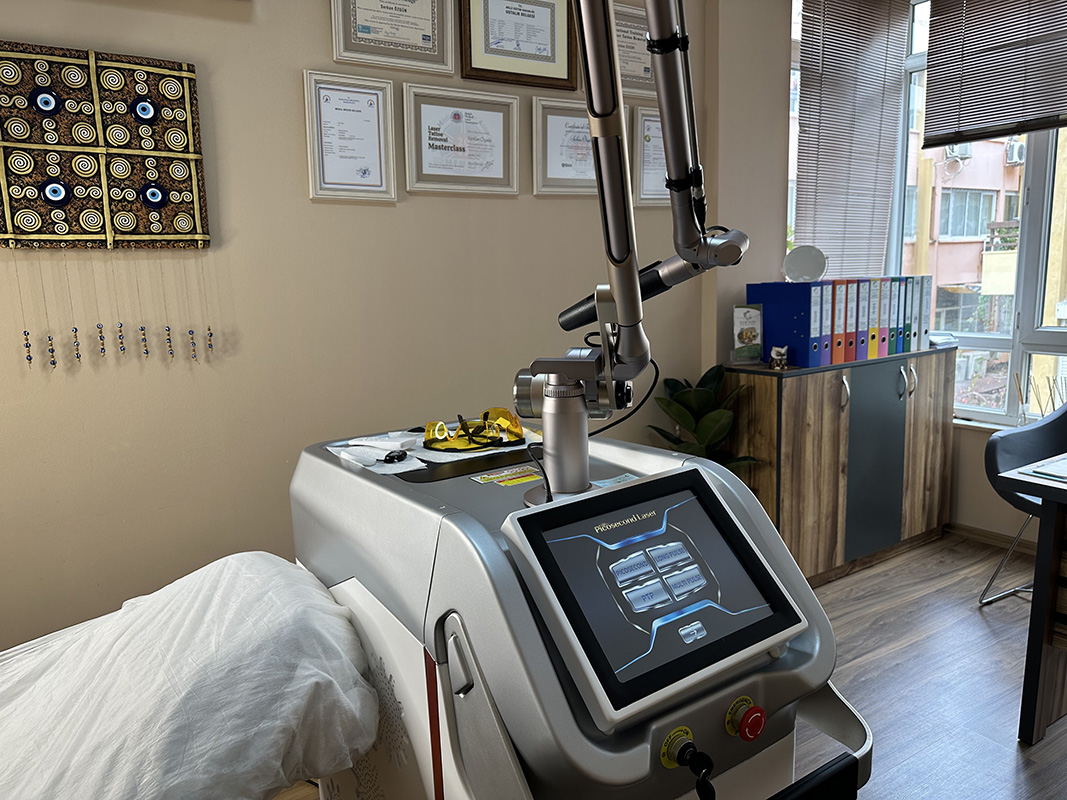
Laser tattoo removal targets the pigment particles within the skin. Modern systems such as PicoSure and Q-switched Nd:YAG laser deliver ultra-short, high-energy pulses directly into the tattoo ink.
The laser breaks the pigment into tiny particles, which are then gradually eliminated by the body’s immune system through the lymphatic system.
During the procedure, patients may feel warmth, a snapping sensation, or mild burning. Many describe it as similar to a rubber band snapping against the skin. The intensity of the sensation depends largely on individual pain tolerance.
Is Tattoo Removal Painful?
Most people describe laser tattoo removal as uncomfortable but tolerable. However, pain levels can vary significantly from person to person.
Mild Discomfort
Some individuals report only mild stinging or a brief warming sensation. Since each laser pulse lasts only a fraction of a second, the discomfort subsides quickly. Additionally, cooling systems are typically used during and after the procedure to minimize burning sensations.
More Intense Sensations
People with sensitive skin may experience stronger pain. Some compare the feeling to a hot needle prick or a quick touch from a heated surface.
However, it is important to note that each laser pulse lasts only 1–2 seconds, so even more intense discomfort is short-lived.
What Affects the Level of Pain?
Several factors influence how painful the procedure may feel:
-
Individual pain threshold
-
Size and depth of the tattoo
-
Color intensity and pigment density
-
Body location (areas like ribs or ankles are more sensitive)
-
Number of sessions required
Darker, denser, and deeper pigments may result in stronger sensations during treatment.
How Can Pain Be Reduced?
Modern clinics offer several methods to make the procedure more comfortable:
✔ Numbing Creams
Topical anesthetic creams or gels are often applied 20–30 minutes before the session. These create temporary numbness in the treated area and significantly reduce discomfort.
✔ Cooling Systems
Most advanced laser devices include integrated cooling systems. Cooling the skin during and immediately after laser pulses helps reduce burning and makes the procedure more tolerable.
✔ Pain Relievers
Some patients choose to take mild pain relievers before the session. However, it is important to consult a professional beforehand, as certain medications may increase the risk of bleeding.
✔ Dividing Large Areas Into Smaller Sessions
For large tattoos, the treatment can be divided into multiple smaller sessions. This shortens each appointment and reduces overall discomfort.
Patient Experiences After the Procedure
Experiences vary:
-
Many people say it was less painful than they expected.
-
Others describe it as intense but very brief.
-
After the session, temporary redness, swelling, and sensitivity are common. These effects typically subside within a few days.
Smaller tattoos are generally less painful to remove. Larger and more complex designs may require more sessions and can feel slightly more uncomfortable.
Conclusion
Tattoo removal is a personal experience, and pain levels largely depend on individual tolerance. For most people, the procedure is uncomfortable but manageable.
Thanks to modern laser technologies and effective pain management options, tattoo removal today is far more comfortable and safer than in the past.
Before starting treatment, it is always best to consult with a specialist about the procedure, pain management options, and the healing process. Proper preparation ensures a smoother and more confident experience.